Precision Trolling Data
Precision Trolling Data AppSports
3.6259.00 Reviews
- Version
- 7.1
- Installs
- 100.00K
- Age Rating
- Everyone
Screenshots
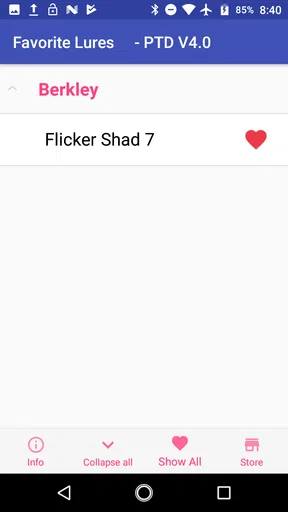
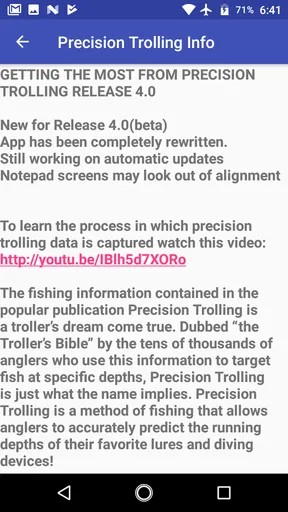
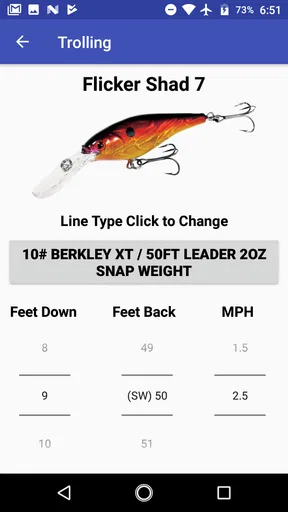
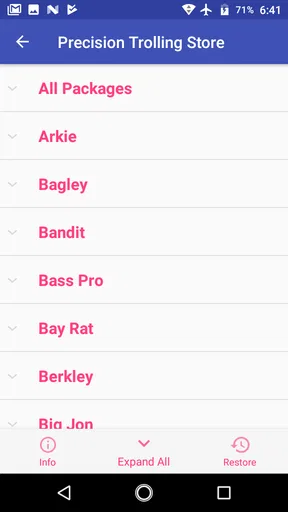
Our Review of Precision Trolling Data
 Analysis by Appyee
For an angler who wants more than a guess about where a lure is running, Precision Trolling Data is a focused sports app built around trolling information. I found its appeal easy to understand: instead of treating every pass behind the boat as trial and error, you can use reference data to make a more deliberate starting plan. It is aimed at anglers who care about depth control, lure choice, and repeatable presentations rather than simply casting something out and hoping.
The app comes from Precision Trolling Data App and is free to install, with optional purchases ranging from $0.99 to $109.99 per item. That pricing detail matters because the free download is best viewed as an entry point, not automatically as the complete reference library. I would install it before a trip, explore what is immediately available, and only then decide whether the paid material matches the way I fish.
Its audience is broad enough for the Everyone content rating, but its subject is specialized. A casual shoreline angler may find little reason to spend time with it, while someone pulling crankbaits, diving plugs, or other trolling presentations can get much more from the same information. The app has reached over 100K installs and holds a 3.6 average from around 476 ratings, so I would approach it as a useful specialist tool with some room for improvement rather than as a flawless replacement for experience.
What to expect before your first trip
The most important expectation is that this is a reference tool, not a virtual fishing guide that makes every decision for you. It can help turn a target depth into a lure-and-line starting point, but the water still decides what actually happens. Boat speed, line released, lure condition, current, water temperature, and the way an individual lure behaves can all change the result.
That distinction prevents the most common disappointment. If you read a depth reference as a guaranteed measurement, you may think the app is wrong when your lure runs differently on the lake. If you treat it as a repeatable baseline, it becomes much more useful. I would use the information to narrow the search, then confirm the presentation with the conditions in front of me.
The store summary calls the product a “Troller’s Bible,” a description that reflects its role as a substantial reference for anglers who use this style of fishing. I would not interpret that as a promise that every lure, species, or situation is covered in the same way. Its value depends on whether the material lines up with the tackle in your boat and the kind of trolling you actually do.
Compared with a general fishing app, this one is narrower but potentially more practical for a specific job. A broad fishing application may concentrate on forecasts, maps, catch records, regulations, or community reports. Precision Trolling Data is more useful when your immediate question is, “How can I get this presentation into the zone I want?” If your main need is navigation or weather planning, another category of app will serve you better.
I also would not expect it to replace a printed trolling reference for every user. A book can be easier to keep open beside a rod, especially when your hands are wet or you are moving between lines. The phone version is more convenient when you want searchable, portable information, but the screen introduces its own friction on a bright deck. That trade-off is worth considering before paying for a large amount of content.
Who gets the most from it
This app makes the most sense for an angler who already trolls or is preparing to learn. You do not need to be an expert, but you should have a clear reason for opening it: choosing a lure, estimating how much line to let out, comparing presentations, or building a repeatable plan for a familiar lake. Those questions give the reference material a practical role.
A first-time user should also know that the app is not a substitute for basic tackle knowledge. You still need to identify the lure you are using, understand the line and hardware involved, and pay attention to speed. If those variables are unfamiliar, the information may feel more complicated than helpful at first. I would begin with one lure and one target depth rather than trying to absorb the entire library.
On the other hand, an angler who only fishes with live bait, rarely trolls, or wants automatic fish-location suggestions may find the app too specialized. The same is true for someone expecting a social feed full of current reports. Its strength is structured trolling reference, not a complete fishing ecosystem.
Setting it up without getting lost
The current version is 7.1 and requires Android 5.0 or later. After installing, I would avoid making the first session a rushed boat-side experiment. Open it at home, look through the available sections, and identify which information is accessible without an additional purchase. This simple preparation helps you understand the app’s boundaries before you are on the water.
Because in-app purchases are part of the experience, the first setup should include a deliberate check of what you actually need. Do not buy a broad collection just because the list looks comprehensive. Start with the species, lure family, or trolling method you use most often. A smaller, relevant reference is easier to learn and more likely to earn its place on your phone than a large collection you never open.
I would also create a simple personal note outside the app for the conditions of your first tests. Record the lure, line type, approximate amount of line, boat speed, water depth, and whether the lure contacted bottom or cover. The app gives you a starting reference; your notes turn that starting point into knowledge specific to your boat. This is one of the best ways to avoid repeatedly asking the same question on future trips.
One subtle workflow improvement is to decide your target zone before looking up the lure. Many new users begin with the lure and then accept whatever depth information appears. I prefer the reverse: identify the depth where fish or structure should be, then determine which available presentation can reasonably reach it. That approach keeps the app tied to a fishing decision instead of turning it into a catalog to browse.
Another useful habit is to compare two candidate presentations before launching both. If one option is easier to control at your planned speed and the other requires more exact positioning, begin with the forgiving choice. This is especially helpful for a first trip because it reduces the number of changing variables. Once you have a reliable baseline, you can test the more demanding option without wondering whether every difference came from the lure or from your setup.
Understanding the reference rather than memorizing it
The numbers and charts in a trolling reference should be treated as relationships, not magic settings. A depth result is connected to the amount of line, the lure’s design, the speed of the boat, and the resistance created by the water. Change one of those and the result can shift. I would use the app to establish a controlled starting point, then make one adjustment at a time.
This is also where experienced anglers have an advantage: they already know which variables they can hold steady. A beginner can create the same discipline by keeping the first test simple. Use one lure, maintain a consistent speed as well as you can, and avoid changing line, rod position, and direction all at once. Even if the result is not perfect, you will learn what to adjust next.
The app is most valuable when it saves you from random experimentation, not when it eliminates experimentation altogether. I see that as a strength rather than a weakness. Fishing conditions change too much for a phone reference to guarantee a catch, but a well-organized starting point can shorten the time spent outside the productive zone.
Getting to the first meaningful success
For a new user, the first successful action should be modest: choose one target depth, select a suitable reference entry, and put one line in the water using that plan. Do not begin by programming a whole spread of rods around several untested assumptions. One controlled test gives you a clearer answer and makes the app feel practical immediately.
Imagine arriving at a lake where you believe fish are holding above a deeper area. Instead of cycling through every lure in the box, I would select a familiar trolling lure, use the app to establish a line-and-depth starting point, and run it along the edge of that area. If the lure is consistently contacting bottom, I would adjust the amount of line or presentation rather than changing everything. If it never reaches the zone, I would make the opposite type of correction.
The point is not to treat the first pass as proof that the reference is right or wrong. The first pass tells you how your actual setup behaves. Once you get a repeatable result, you can duplicate it on another rod or return to it later. That repeatability is the meaningful success I would look for, because it is more useful than one lucky strike.
A practical tip is to use bottom contact carefully. Occasional contact can help confirm that a lure is near the intended zone, but constant digging may cost you tackle and disturb the presentation. I would make small changes rather than immediately pulling out more line. The app can guide the adjustment, while your rod tip, line angle, and lure behavior tell you what is happening in real time.
Another non-obvious benefit is how the reference can improve communication between people in the boat. If one angler finds a productive setup, the others can reproduce the same general presentation instead of copying only the visible lure. That makes it easier to test whether depth, speed, or lure action is the real reason for the result. In a shared boat, this can turn scattered observations into a more useful pattern.
How I would use it during an ordinary outing
Suppose I have a short afternoon window and do not want to spend the first hour guessing. Before leaving, I would identify two likely depth bands and select one familiar lure for each. I would use the app to prepare the starting presentations, then begin with the band that best matches the day’s conditions. If the first line gives a clear response, I would build around it; if not, I would move to the second plan rather than making random changes every few minutes.
During the outing, I would keep the phone available for reference but avoid staring at it while operating the boat or handling fish. The app is most useful before deployment and during deliberate adjustments, not as a screen that demands constant attention. Wet hands, glare, and motion can make detailed reading inconvenient, so I would check the relevant material in advance and keep my notes short.
After the trip, I would record what changed from the reference: perhaps the line was heavier, the boat speed varied, or the lure behaved differently in a turn. This turns a one-time lookup into a personal calibration process. Over several trips, your own notes may become as valuable as the original reference because they reflect your exact rod, line, boat, and habits.
Common confusion and where the app can frustrate
The biggest source of confusion is assuming that a listed depth applies identically to every setup. It does not make sense to compare your result with a reference while ignoring line diameter, lure condition, or speed. A lure with a damaged lip, altered hardware, or a different line can behave differently even when its name appears to match the entry you selected.
Another point of friction is the purchase structure. The app is free to download, but optional items can become expensive at the upper end. I would strongly recommend deciding on a narrow use case first and checking whether the relevant material is included before spending money. The free entry point is helpful, but it does not mean the entire reference is available at no cost.
The 3.6 average suggests that user experiences are mixed enough to keep expectations realistic. I would not use that rating alone to reject the app, because specialist tools can be judged harshly by people who expect a general-purpose fishing companion. Still, it is a reminder to test the navigation and available content for your own needs before building your whole trip around it.
The age rating of Everyone makes the app broadly accessible, but accessibility is not the same as simplicity. A young or completely new angler may still need someone to explain trolling terms and tackle variables. The app can support learning, yet it assumes that the user wants technical reference material rather than a step-by-step fishing course.
There is also a practical difference between using it in a calm planning session and using it in rough water. On land, you can compare options carefully. On the boat, glare and movement make long reading sessions unpleasant. My solution would be to prepare a short plan beforehand: lure, target zone, starting line amount, and the single adjustment I will try if the first pass is too high or too low.
If you are choosing between this and a general fishing application, the better option depends on the question you ask most often. Choose Precision Trolling Data when depth control and trolling presentation are central. Choose a broader tool when you mainly need maps, forecasts, catch logs, or current local reports. Using both categories can make sense, but this app should earn its place by solving the trolling problem specifically.
Taking the next step after the first trip
Once the first setup works, resist the urge to buy or study everything immediately. Pick one presentation that produced a clear result and repeat it under slightly different conditions. Try a nearby depth, a modest speed change, or a different line amount while keeping the other variables stable. This is how the app becomes a learning instrument rather than a collection of figures.
I would also build a small “known setups” list in my own notes. Include the lure, line, approximate boat speed, target depth, and what happened when the lure reached that zone. The app remains the reference for planning, while the notes become a fast personal index. This workflow is especially useful when returning to the same water months later and trying to remember what worked.
For anglers considering paid content, the right question is not whether the largest package sounds comprehensive. Ask whether it covers the tackle you actually own and whether you will use it often enough to justify the purchase. Someone who trolls regularly may find the investment practical; someone who takes one occasional trip may be better served by starting free and relying on a smaller, familiar setup.
The developer, Precision Trolling Data App, has kept the product focused on a clear fishing task rather than turning it into an overcrowded all-purpose platform. That focus is its identity, but it also explains why it will not satisfy every angler. I appreciate a tool that knows what it is, provided the user understands that its usefulness depends on applying the reference thoughtfully.
My recommendation is therefore measured but positive. If trolling depth is a recurring problem for you, I would install it, test the free material at home, and use one familiar lure for the first on-water experiment. If you want automatic decisions, live reports, navigation, or a complete fishing log, I would look elsewhere or pair it with another app. Its best result is not a guaranteed catch; it is a more disciplined first presentation and a faster path from guessing to learning.
For the right angler, that is enough to make it worthwhile. The app gives you a structured place to begin, while your observations finish the job. Used that way, it can become a dependable part of a trolling routine instead of another screen full of information that never reaches the water.
Verdict
Strengths of Precision Trolling Data
- Provides detailed data for analyzing trolling activity and patterns.
- Useful for users who need precise, data-driven insights.
- Information is presented in a focused, easy-to-understand format.
- Can help compare trends and identify unusual activity.
- Lightweight purpose makes it suitable for quick reference.
Limitations of Precision Trolling Data
- May be too specialized for casual users.
- Data accuracy depends on the quality of its sources.
- Some features may require an internet connection.
- Limited value if you do not regularly analyze trolling data.
- Privacy practices should be checked before sharing personal information.
Similar Picks in This Category
View All
BeSoccer: Soccer Live Score
BeSoccer apps4.3

Cricbuzz - Live Cricket Scores
Cricbuzz.com3.7

NFL
NFL Enterprises LLC2.4

Da Fit
MO YOUNG LIMITED3.6

ESPN
Disney4.5

LiveScore: Live Sports Scores
LiveScore Limited4.5
Frequently Asked Questions
What is Precision Trolling Data used for?
Precision Trolling Data is designed to help anglers plan and improve trolling sessions by providing reference information about lure depth, line length, trolling speed, and related fishing conditions. It can be useful when preparing for a trip or adjusting a setup on the water, although results may vary depending on lure type, line, current, water temperature, and the species you are targeting.
Does Precision Trolling Data work without an internet connection?
The app may offer access to some of its information after content has been downloaded, but users should not assume that every feature works offline. Before heading onto the water, open the relevant charts or data while connected to the internet and check whether the information remains available. Offline access can also depend on the app version, device settings, and how its content is delivered.
Is Precision Trolling Data suitable for beginners?
Yes, beginners can use Precision Trolling Data as a learning and planning tool, especially when they are trying to understand how trolling speed, line length, and lure selection affect presentation depth. However, the app is not a substitute for practical experience. New anglers should begin with simple setups, follow local fishing regulations, and treat the displayed figures as guidance rather than guaranteed results.
How accurate is the information in Precision Trolling Data?
The data can provide a helpful starting point, but it should not be interpreted as perfectly precise in every fishing situation. Depth estimates are influenced by lure design, line diameter, amount of line released, boat speed, water movement, rod position, and other variables. For the best results, compare the app’s recommendations with your own observations and adjust your presentation on the water.
Is Precision Trolling Data free to download, and are there additional costs?
The download price and available features can vary between Android and iOS, as well as between different versions of the application. Some content or advanced tools may require an in-app purchase, subscription, or separate access depending on the current store listing. Check the official Google Play or App Store page before downloading to confirm pricing, supported devices, and any recurring charges.
